Grinding Noises? When to Replace Your Sliding Door Rollers
4/4/20264 min read
The Critical Warning of Grinding Noises: A Deep Dive into Sliding Door Roller Failure and Prevention
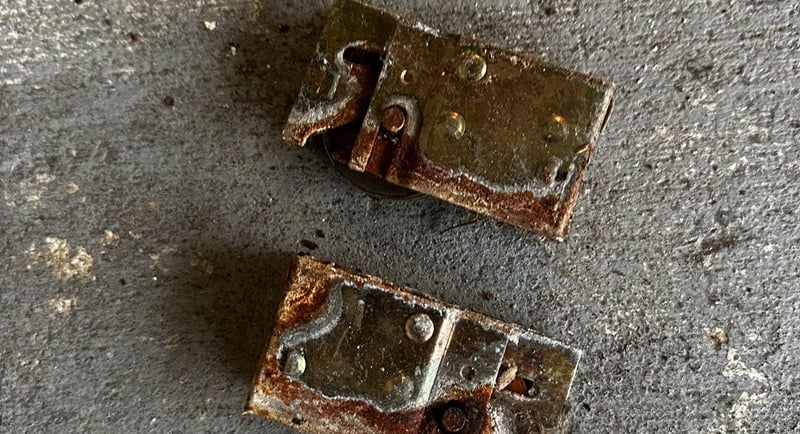
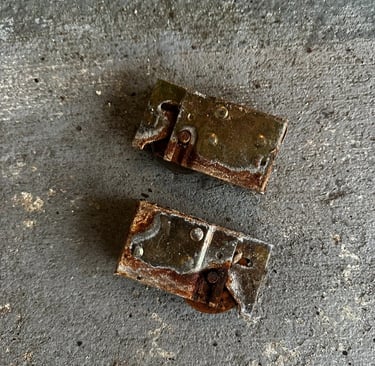
Grinding noises coming from sliding door rollers are rarely random occurrences; they are the audible symptoms of internal mechanical distress that worsens with every passing day. In the unique environment of South Florida, these sounds usually indicate a combination of internal wear, metal fatigue, and the corrosive effects of our tropical climate. When the frictionless glide of a door turns into a harsh, metal-on-metal scrape, it places an immense amount of secondary strain on the entire door system. Ignoring these early warning signs is a gamble that often leads to severe misalignment, permanent track gouging, or a sudden, dangerous failure where the door becomes completely immovable. At Alonso Technical Services, we have found that a timely sliding door roller replacement is the only definitive way to address the root cause of these noises before the damage spreads to the more expensive structural components of the frame and track.
The physics of a grinding noise typically points to a failure in the rotation of the internal bearings. When these bearings seize, flatten, or succumb to oxidation, the roller stops acting as a wheel and begins acting as a brake, forcing the nylon or steel surface to drag across the track. This friction is exacerbated in coastal areas from Homestead to Jupiter, where salt air and humidity infiltrate the roller housing and create a gritty, corrosive paste that eats away at the hardware. As wear progresses, the noise becomes more pronounced near the center of the opening where the door's weight is most concentrated. This internal deterioration is often paired with visible performance changes, such as the door feeling unnaturally heavy, jerky movement during operation, or the frame physically shifting against the jamb. When a door begins to hesitate at the same spot repeatedly, it is a clear indicator that the rollers have developed "flat spots" and are no longer capable of supporting the massive weight of the glass panels—especially the heavy impact-rated glass common in Florida homes.
Many homeowners mistakenly believe that a stuck door can be fixed with a simple cleaning or a heavy application of lubricant. However, when a sliding glass door becomes difficult to move, the issue is rarely just surface debris. Resistance builds over years as internal components fall out of alignment. Deteriorated rollers lose their ability to distribute weight evenly, causing the door to bind and scrape. While dirt and sand certainly contribute to the problem by compacting inside the track and increasing friction, the underlying mechanical failure of the rollers is almost always the primary culprit. A professional inspection by Alonso Technical Services goes beyond a quick wipe-down; we analyze whether the rollers have collapsed, if the track has warped under the stress of failed hardware, or if environmental factors like salt air have compromised the structural integrity of the bearings. Addressing these issues early restores the "one-finger slide" that Florida homeowners expect and prevents the need for a full, costly door replacement.
The limits of DIY maintenance become very clear once internal roller damage has set in. While vacuuming loose debris and wiping down track surfaces are excellent preventative habits, they cannot repair a seized bearing or a cracked roller wheel. Attempting to replace sliding door wheels without professional-grade lifting equipment and precision alignment tools carries a significant risk. Sliding glass panels are incredibly heavy and become highly unstable the moment they are disengaged from the track. Without controlled support, an amateur repair attempt can result in chipped glass, bent frames, or a door that is misaligned, causing the new rollers to wear out in a fraction of the time they should last. Certified technicians handle the critical mechanics that household tools cannot—supporting the panel's weight safely, removing the failed housing, and realigning the height to ensure the door is perfectly square within its frame.
For homes with oversized glass panels or commercial-grade entries, standard hardware is often insufficient. This is where heavy-duty sliding door wheel replacement becomes essential. These reinforced components utilize high-performance bearings and materials designed to withstand the relentless cycle of use and the environmental pressures of the South Florida heat. Upgrading to high-capacity rollers not only reduces friction but also extends the lifespan of the track itself. If a door is left to grind for too long, it can "jump" off the track entirely, creating a safety hazard and potentially damaging the edges of the glass. In these extreme cases, professional intervention is required to realign the system and verify that the track integrity hasn't been compromised beyond repair.
Choosing the correct roller type is the final piece of the puzzle in maintaining a high-performing door system. The material of the wheel—whether nylon, steel, or stainless steel—must be matched to the door’s weight and the home's proximity to the ocean. Selecting the wrong hardware often leads to a return of the grinding noise within months. At Alonso Technical Services, we prioritize using professional-grade materials that offer long-term reliability against the South Florida elements. Taking action the moment you hear that first scrape ensures that your door remains a functional, effortless gateway to your patio rather than a source of frustration. If your door is screaming for attention, don't wait for it to fail completely. Contact us today to schedule a comprehensive inspection and restore the smooth, silent operation your home deserves.
FAQ: Common Sliding Door Concerns
What are common sliding glass door problems? The most frequent issues we see include sticking or grinding during movement, flattened or rusted rollers, tracks that have been dented by failed hardware, and locks that no longer line up due to the door sagging.
How do you fix a sliding door problem? The solution depends on the diagnosis, but it typically involves a deep-track cleaning, precision roller replacement, and a full realignment of the door panel to ensure it is level and secure.
What are the disadvantages of sliding glass doors? If not maintained, they are prone to collecting debris and suffering from hardware wear. In Florida, they can also become a point of heat transfer if the weatherstripping isn't replaced periodically to maintain an airtight seal.
What are signs I need sliding glass door repair? Listen for grinding, feel for resistance, and look for gaps at the top of the door or daylight peeking through the sides. If you have to use two hands to move the door, it’s time for a repair.
How do you properly adjust a sliding glass door? Adjustment is done via the roller screws located at the bottom of the door. However, if the rollers are damaged, adjusting the height is only a temporary fix. Professional service ensures the door is balanced without risking the glass.
Quality You Can Trust
"We specialize in top-quality sliding door and window repair using durable parts and expert craftsmanship. Trusted by homeowners throughout Miami, Broward, and Palm Beach, we deliver precision work to ensure your home stays secure and functional."
Trusted & Reliable
Service
+1-305-724-3508
© 2026 Alonso Technical Services Sliding Door & Window Repair. All rights reserved.