Why Is My Sliding Glass Door Hard to Open
Find out why your sliding glass door is hard to open. Common causes include worn rollers, dirty tracks, and frame misalignment. Learn expert repair solutions.
4/6/20264 min read
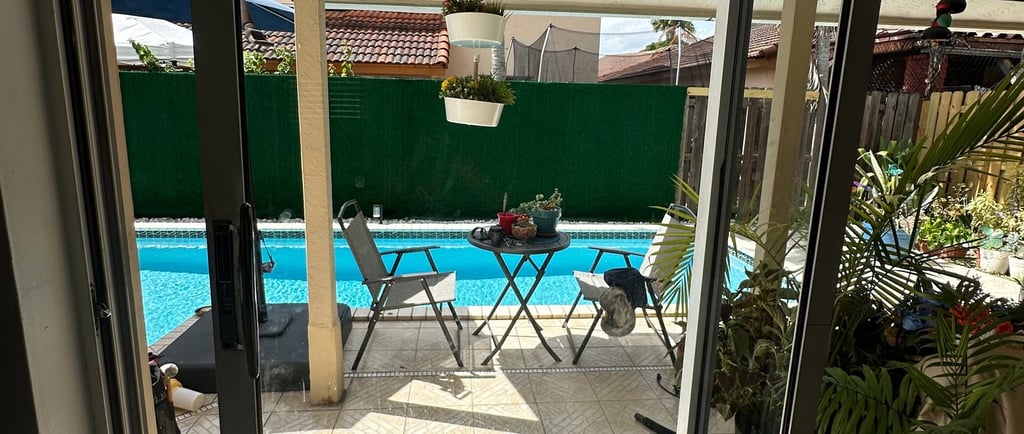
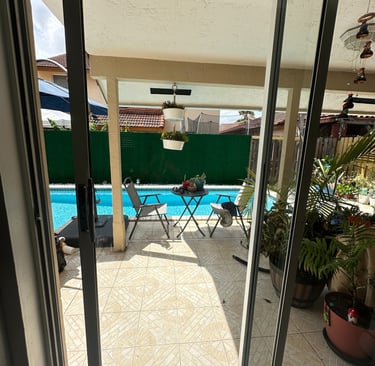
This is the comprehensive, long-form SEO blog post in English, structured with H1 and H2 headings to ensure high authority and search engine ranking. It is specifically tailored for Alonso Technical Services, focusing on technical depth and the specific environmental challenges of South Florida.
The Mechanics of Resistance: Why Your Sliding Glass Door is Hard to Open
A sliding glass door is engineered to move smoothly with minimal effort, acting as a seamless gateway between your interior sanctuary and the South Florida outdoors. However, many homeowners from Homestead to Jupiter experience a gradual decline in performance, where the door begins to feel heavy, stiff, or develops complete resistance. This physical strain is rarely a random occurrence; it is a mechanical signal that the internal components are suffering from wear, environmental stress, or structural shifts. When daily use turns into a frustrating physical struggle, the issue often points to a combination of factors that, if ignored, can lead to the catastrophic failure of the glass or the frame.
Understanding the Primary Causes of Heavy and Stiff Sliding Doors
When a sliding glass door starts requiring extra force, the issue is usually mechanical and progressive. Friction, wear, and alignment changes develop gradually, affecting how smoothly the door moves along its track. In cases where stiffness has been present since installation or worsens shortly after replacement, improper setup may be involved. Professional sliding door installation ensures correct alignment, roller height, and weight distribution to prevent early resistance issues. At Alonso Technical Services, we have found that many "heavy" doors are simply suffering from years of neglected internal friction that has finally reached a breaking point.
Track Contamination and the Impact of Embedded Debris
Sliding door tracks naturally collect dirt, sand, pet hair, and fine debris. In South Florida, the fine limestone dust and coastal sand are particularly abrasive. Over time, this buildup is compressed into the track surface by the 200+ pound weight of the door, increasing friction between the rollers and the rail. Common signs include a rough or gritty movement, consistent resistance from start to finish, and scraping or grinding sounds. While surface cleaning can provide short-term relief, embedded debris often causes microscopic damage to the track rail that continues to create drag even after cleaning, eventually deforming the aluminum.
Worn or Failing Roller Assemblies: The Heart of the Problem
Rollers support the full weight of the door panel, which in Florida often consists of very heavy impact-rated glass. As the internal bearings wear down, flatten, or succumb to oxidation caused by salt air, the door requires significantly more force to move. Typical symptoms include an increasing effort required over time, a slight panel wobble while sliding, and uneven movement under load. Roller issues are the primary reason homeowners seek repair, but when roller damage coincides with frame wear or outdated panels, a full sliding door replacement may be recommended to restore long-term performance and reliability.
Why Your Sliding Door Gets Stuck in One Specific Spot
When a door is difficult to move at the same point every time, the issue is typically localized resistance. This indicates that something specific along the door’s travel path is interfering with the rollers. Unlike gradual stiffness, sticking in a specific spot often feels sudden and repeatable. The most common causes include hardened debris at a single point in the track, a dented or warped section of the track rail that alters the roller path, or a damaged roller that binds when it reaches a specific area of its rotation. Continuing to force the door through these "dead zones" can worsen roller wear and further deform the track.
Environmental Factors: Humidity, Salt Air, and Florida Weather
Environmental conditions like humidity, salt air, and temperature fluctuations slowly degrade sliding door performance. Over time, moisture can lead to corrosion in the internal bearings, while intense heat can cause materials to expand, shifting the alignment of the frame. The environmental impact may lead to rusted rollers and tracks, swollen frames, and increased friction during seasonal changes. Preventive maintenance by a specialist helps counter this environmental wear and extends the lifespan of the entire door system, especially in high-salt coastal environments like Miami Beach or Boca Raton.
DIY Maintenance vs. Professional Sliding Door Repair
Many homeowners wonder if a quick fix is enough or if they need professional help. Homeowners can safely perform simple tasks like vacuuming loose debris and wiping tracks with mild cleaners to maintain temporary functionality. However, persistent resistance, damaged components, or heavy glass panels require expert handling. A professional service like Alonso Technical Services is equipped to adjust alignment, replace rollers safely using specialized jacks, and restore the track surface without causing additional damage to the glass or the aluminum frame.
The Importance of Component Alignment and Preventive Care
A sliding door relies on multiple components working together in perfect harmony. When a single part wears down or shifts out of alignment, it is immediately noticeable in the difficulty of opening and closing. Preventive care is essential to avoid a gradual decline in performance. Without consistent upkeep, small issues like dirt buildup or minor misalignment can turn into persistent sticking or uneven movement. A structured maintenance approach, including seasonal inspections and deep track cleaning, protects the door system over the long term and avoids the need for costly emergency repairs or premature replacements.
FAQ: Expert Insights for Your Home
What are common sliding glass door problems? The most frequent issues include sticking or grinding during movement, worn rollers, damaged tracks, misaligned frames, and faulty locks. Over time, humidity and daily use worsen these problems.
How do you fix a sliding door problem? The solution depends on the cause: ranging from cleaning and adjusting the track to replacing worn rollers or realigning the door. Professional repair is highly recommended for heavy impact glass panels.
What are the signs I need a repair? Difficulty opening or closing, loud scraping noises, uneven movement, drafts, or a lock that does not engage properly are all indicators that your door needs professional attention.
How do you properly adjust a sliding glass door? Adjustment involves leveling the door using the roller adjustment screws. This should restore smooth movement, but professional service is advised to avoid glass damage caused by improper leveling or over-tightening.
[Contact Alonso Technical Services today to restore the smooth operation of your sliding doors!]
Quality You Can Trust
"We specialize in top-quality sliding door and window repair using durable parts and expert craftsmanship. Trusted by homeowners throughout Miami, Broward, and Palm Beach, we deliver precision work to ensure your home stays secure and functional."
Trusted & Reliable
Service
+1-305-724-3508
© 2026 Alonso Technical Services Sliding Door & Window Repair. All rights reserved.